
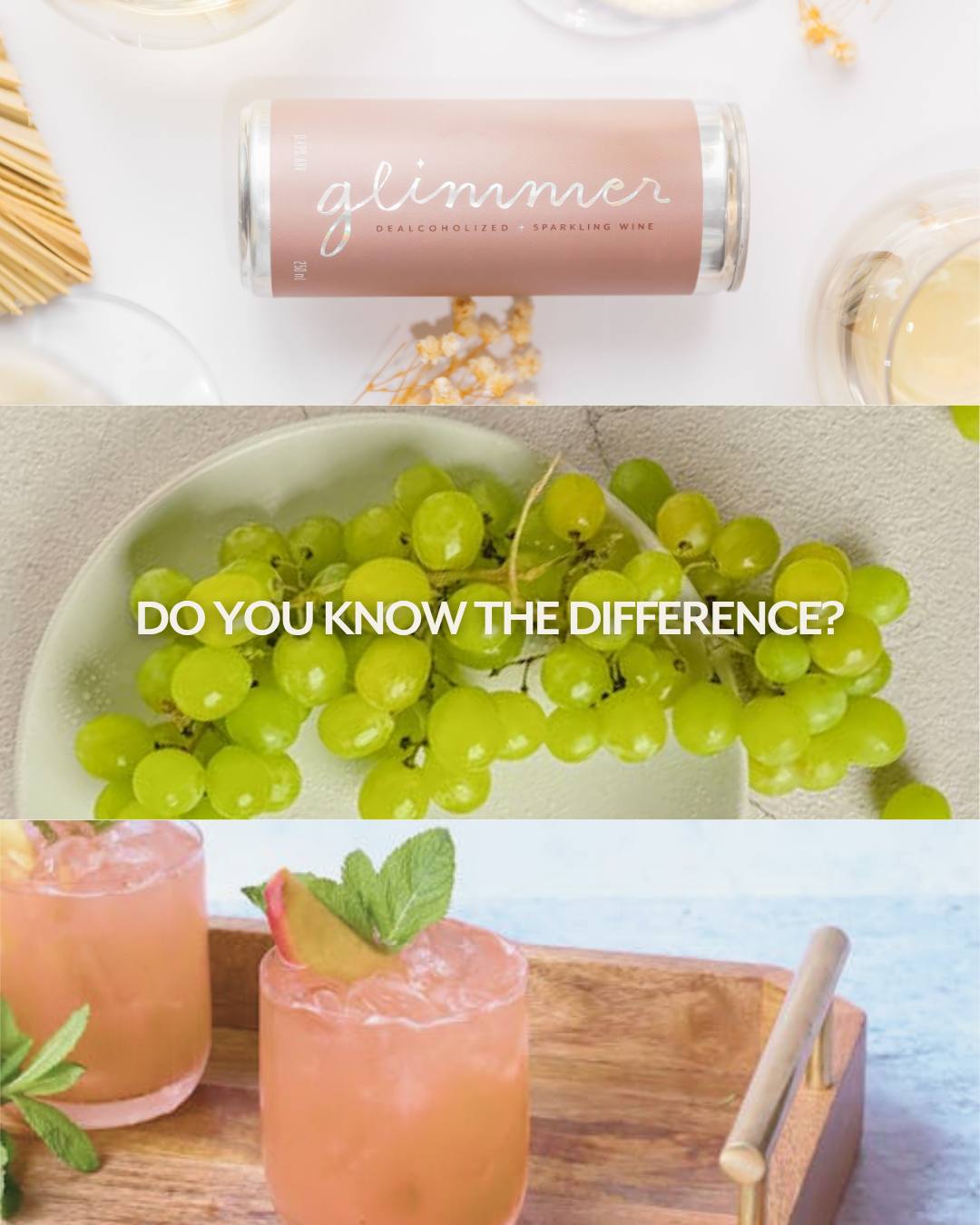
The alcohol-free beverage space has evolved far beyond a single shelf of juice or soda substitutes. Today, consumers have access to a wide range of sophisticated options, each designed for a different drinking occasion, flavour expectation, and ritual.
As the category grows, so does the language around it — and with that comes understandable confusion. Drinks are often grouped together simply because they are alcohol-free, even when they are made in completely different ways and intended to deliver entirely different experiences.
Understanding those differences helps consumers choose what best suits the moment.
Grape Juice
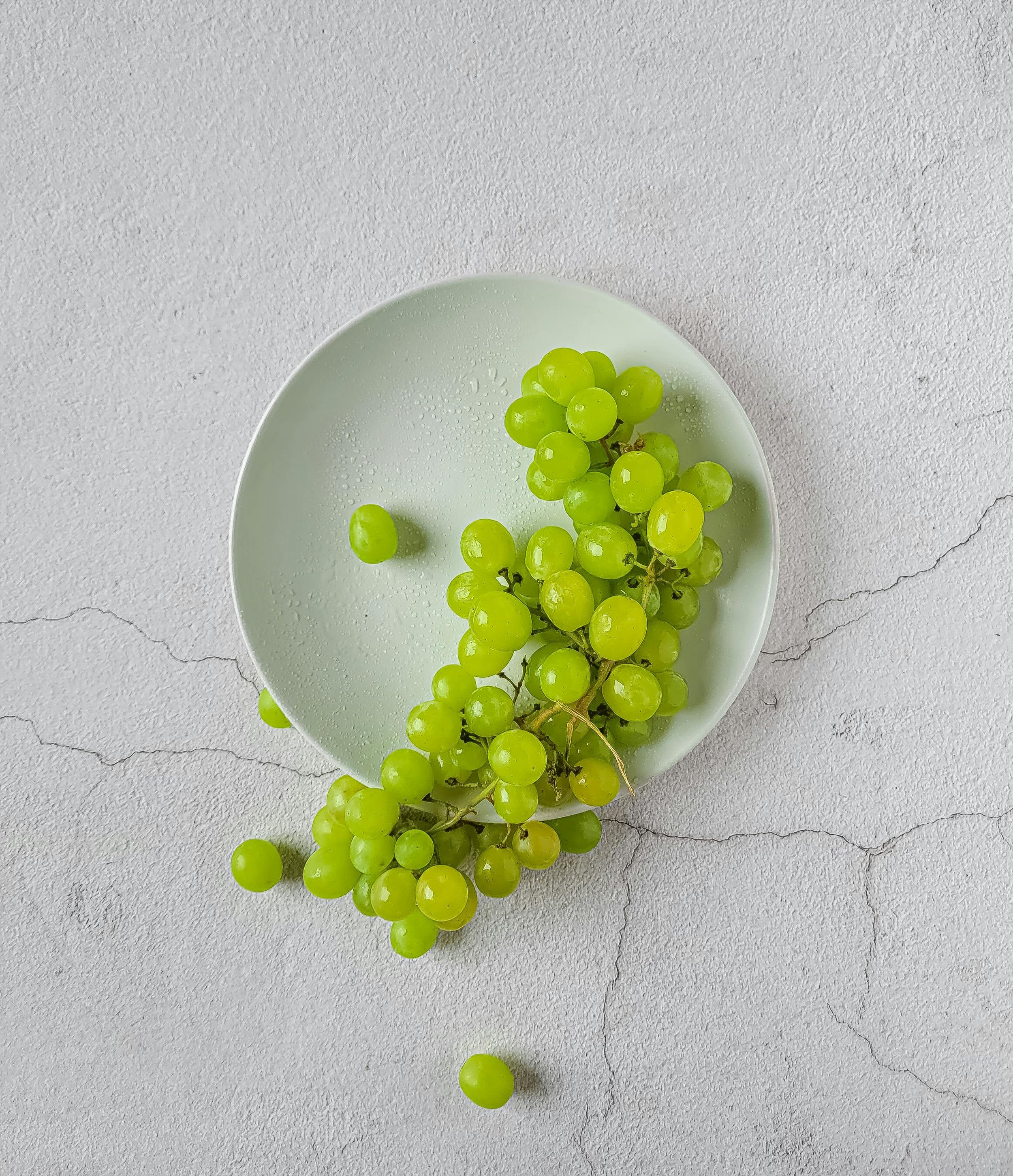
Grape juice is the most straightforward expression of the fruit itself. Grapes are pressed, the juice is collected, and the result may be still or sparkling depending on the style.
Because it does not undergo fermentation, grape juice retains the fresh, fruit-forward sweetness and primary aromatics of the grape. Its appeal often lies in its familiarity, accessibility, and easy-drinking nature.
In celebratory settings, sparkling grape juice has long served as a festive option, particularly for all-ages gatherings or occasions where sweetness is preferred. Its role is less about replicating wine and more about offering something approachable and joyful in its own right.
Non-Alcoholic Cocktails
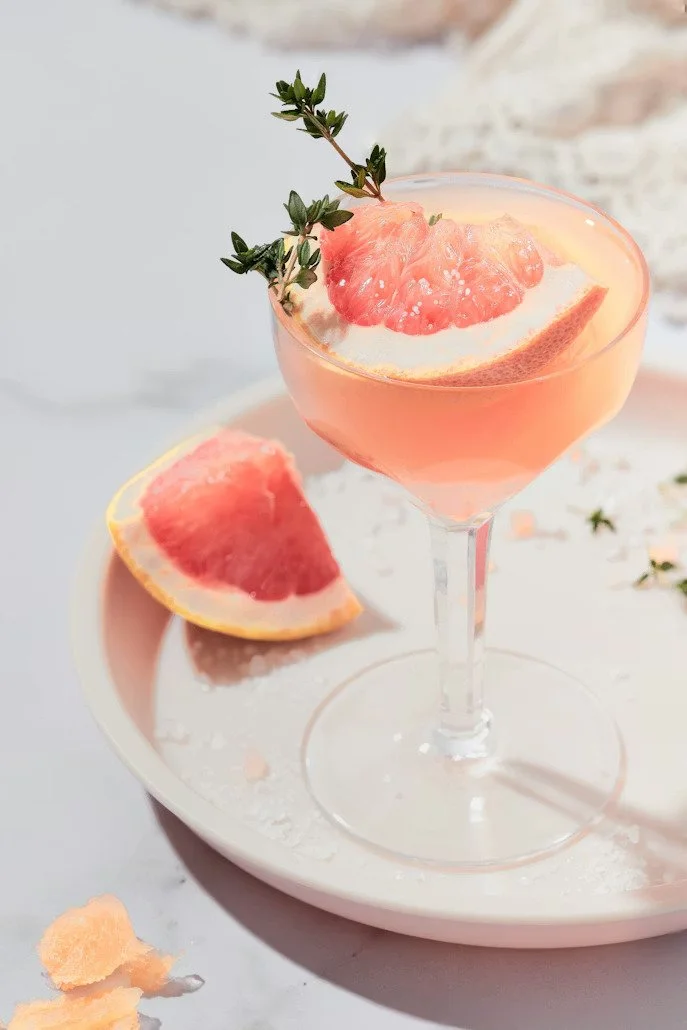
Non-alcoholic cocktails bring a mixology-driven experience to the category. Built from juices, botanicals, sodas, syrups, teas, herbs, and functional ingredients, they are designed around creativity, layering, and balance.
This category excels in social environments where flavour exploration and visual presentation are central to the experience. A well-crafted non-alcoholic cocktail can feel playful, elevated, and deeply intentional.
Rather than replacing wine, these beverages often serve a different ritual altogether: aperitif moments, bar occasions, celebratory signatures, or chef-driven pairings that lean into freshness and innovation.
As the language around the category evolves, many brands and hospitality groups are also moving toward terms like non-alcoholic cocktails or free spirit cocktails, which better reflect the sophistication of the experience.
Wine Alternatives
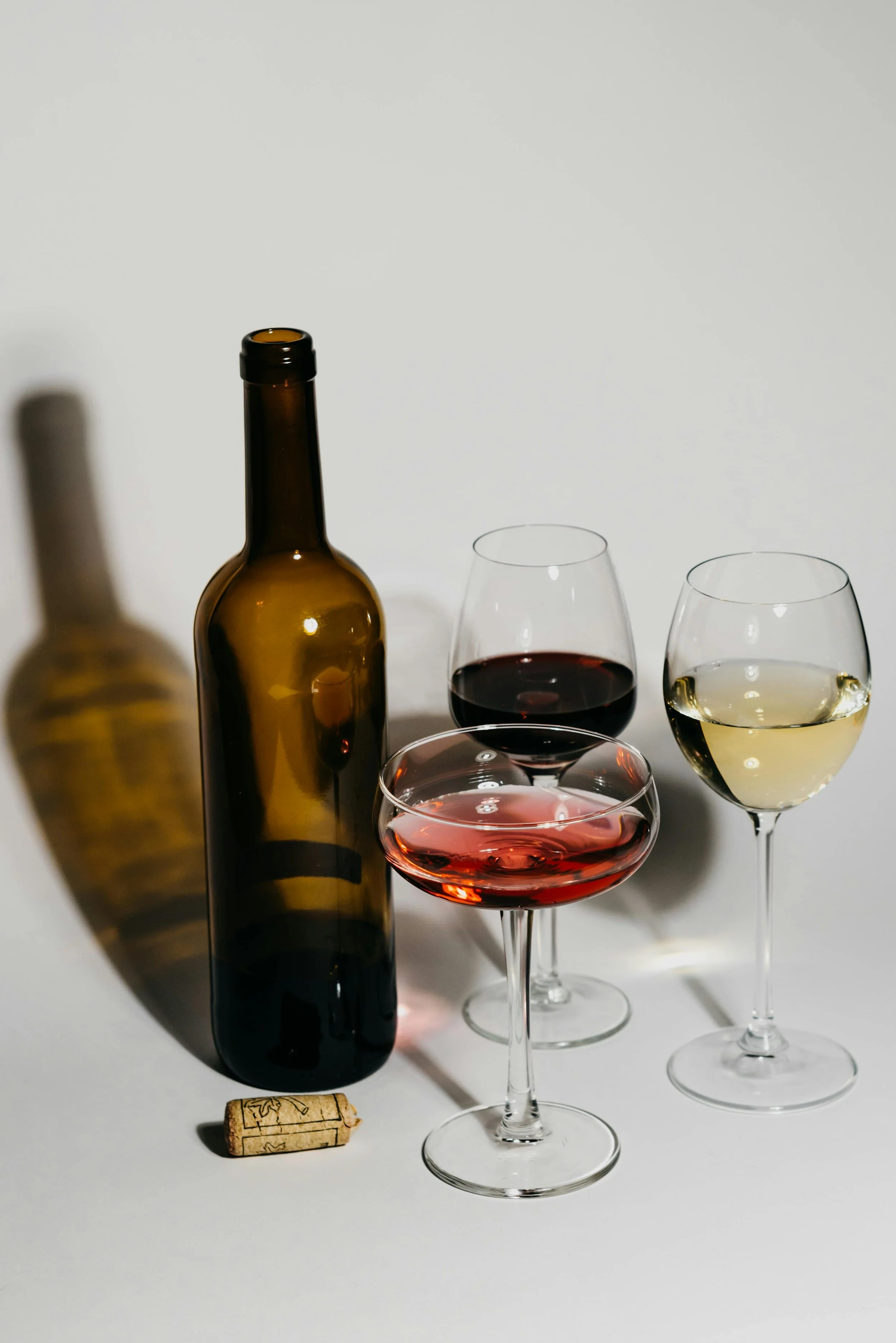
A fast-growing and highly influential category within the alcohol-free space is the broader wine alternative segment.
This includes products such as proxies, piquette-inspired beverages, tea-based blends, verjus-driven sparkling drinks, and other wine-adjacent creations that are designed to evoke the structure, acidity, texture, and food-pairing versatility of wine without necessarily being made from dealcoholized wine.
Brands in this space often use ingredients like teas, fruits, spices, minerals, vinegars, botanicals, and juices to build complexity in a way that feels familiar to wine drinkers while remaining creatively distinct.
For consumers seeking a layered, culinary beverage experience, wine alternatives have become one of the most exciting and innovative segments in the category.
Dealcoholized Wine
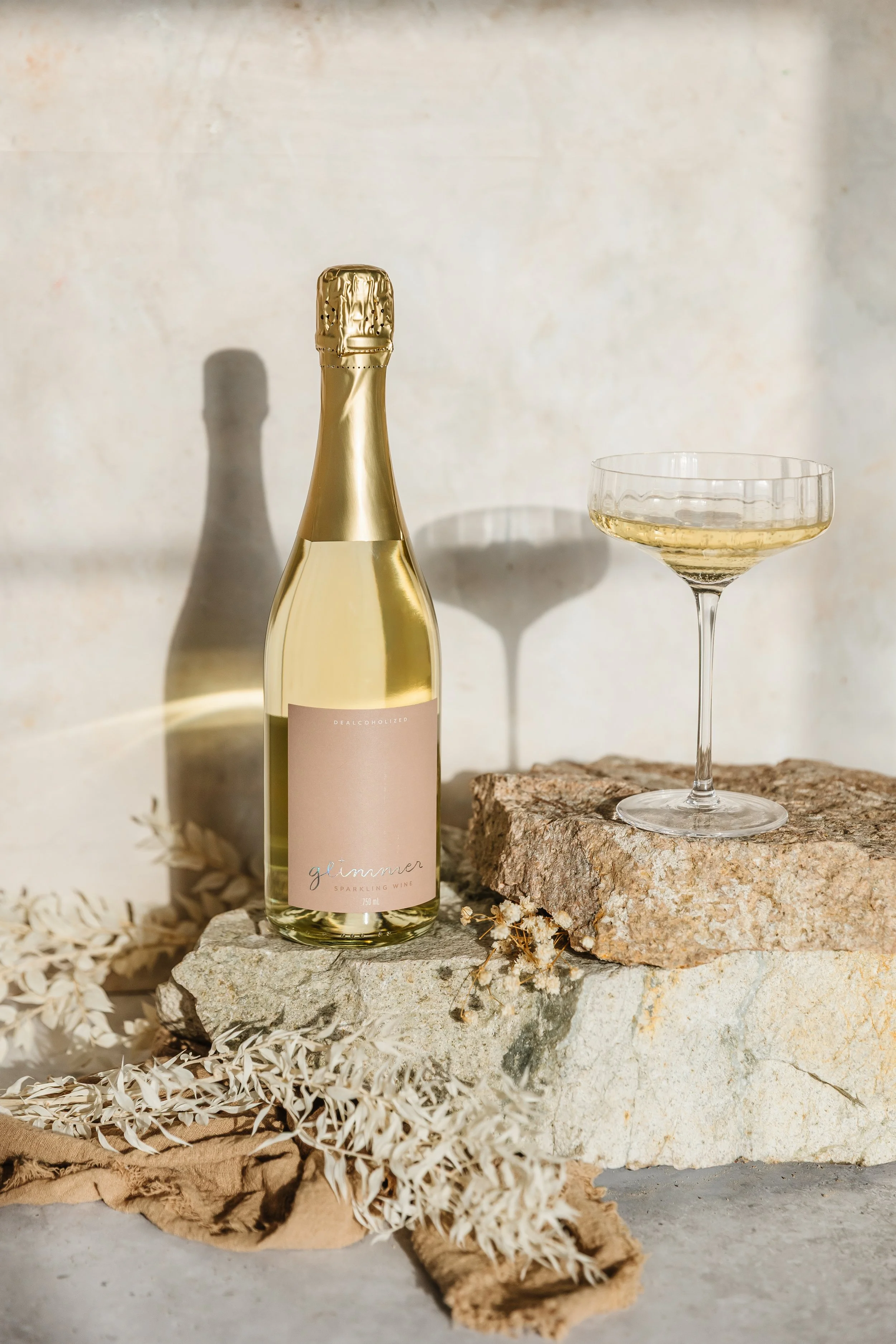
This is where Glimmer lives — and it's worth understanding why this category is different.
Unlike grape juice or wine-inspired alternatives, it begins as real wine. The grapes are fermented traditionally, allowing the wine to develop its natural structure, aromatics, acidity, and complexity. Only after that process is complete is the alcohol gently removed, typically through low-temperature methods designed to preserve as much character as possible.
The result offers a wine experience that remains closely tied to traditional winemaking — from the dry finish and layered flavour profile to the way it performs in a stemmed glass at the table.
For consumers who specifically want the familiarity of wine service, varietal expression, and food-pairing ritual, this category offers a direct continuation of that experience in alcohol-free form.
This is the space where Glimmer sits: traditionally fermented Chardonnay, thoughtfully dealcoholized, and crafted to preserve the elegance of sparkling wine for any occasion.
Why It Matters
The strength of today’s alcohol-free market lies in its diversity.
Some moments call for the bright familiarity of grape juice. Others invite the creativity of a non-alcoholic cocktail. Some tables are best served by the culinary complexity of a wine alternative, while others call for the familiarity and ritual of dealcoholized sparkling wine.
None is inherently “better” than another — they simply answer different consumer needs.
The opportunity for brands and hosts alike is not to collapse these drinks into one broad category, but to understand the role each one plays in modern drinking culture.
As the space continues to mature, clearer language helps elevate the category as a whole and gives consumers more confidence in choosing what feels right for their occasion.
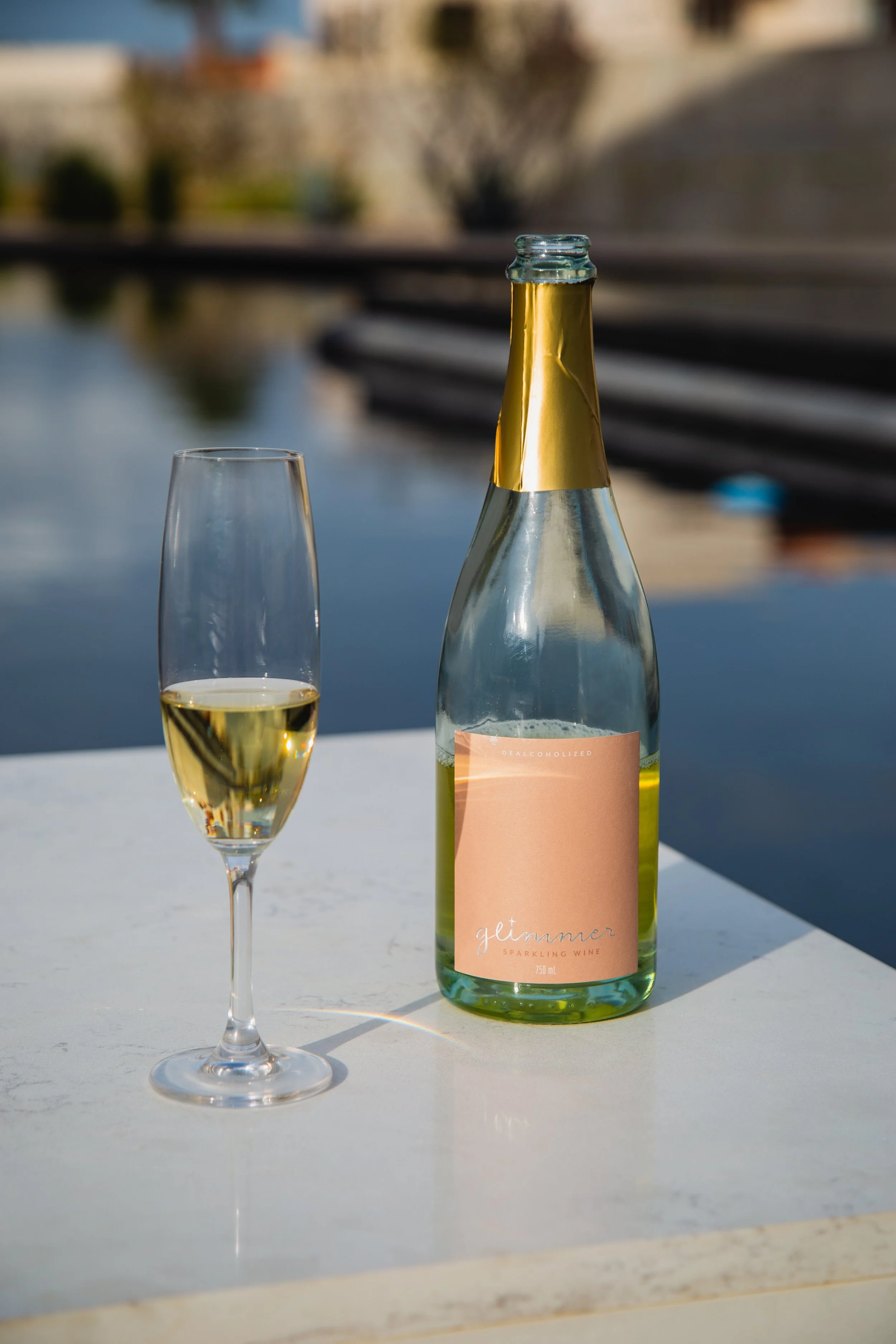
For those moments where the ritual of sparkling wine matters most, Glimmer offers a premium dealcoholized Chardonnay experience with fine bubbles, elegant structure, and a dry finish designed to belong beautifully at the table.
