
The Difference Between Grape Juice, Mocktails, and Dealcoholized Wine
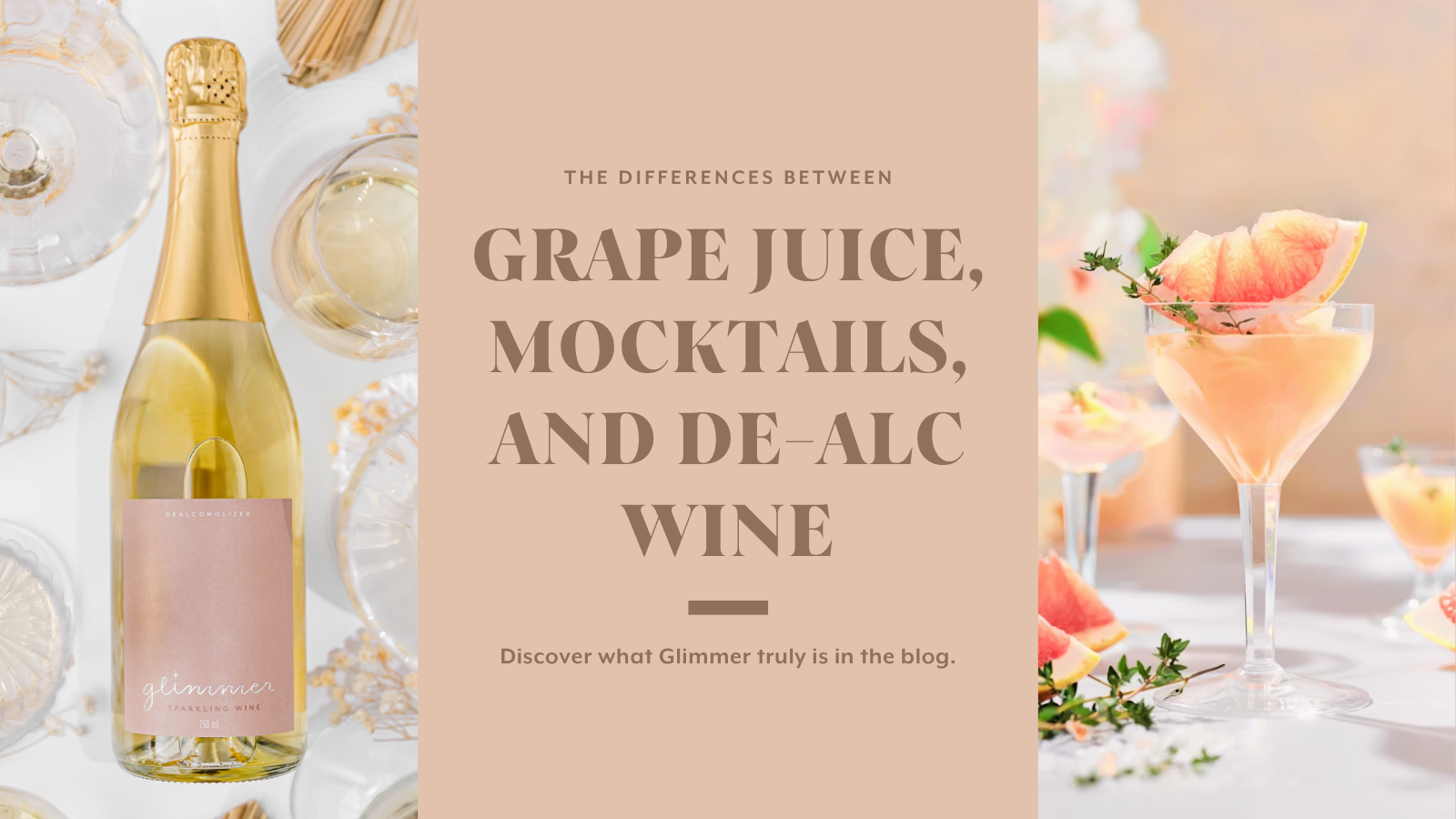
There's a moment that happens at almost every gathering. Someone declines a glass of wine, and whoever is hosting disappears into the kitchen, returning with something sweet, something fizzy, or something that feels — if we're being honest — like an afterthought.
It doesn't have to be that way.
The alcohol-free beverage category has grown significantly, and with that growth has come real confusion. Not all non-alcoholic drinks are created equal. In fact, most of them are entirely different things — made differently, tasting differently, and serving a very different purpose.
Here's a clear, simple breakdown.
Grape Juice
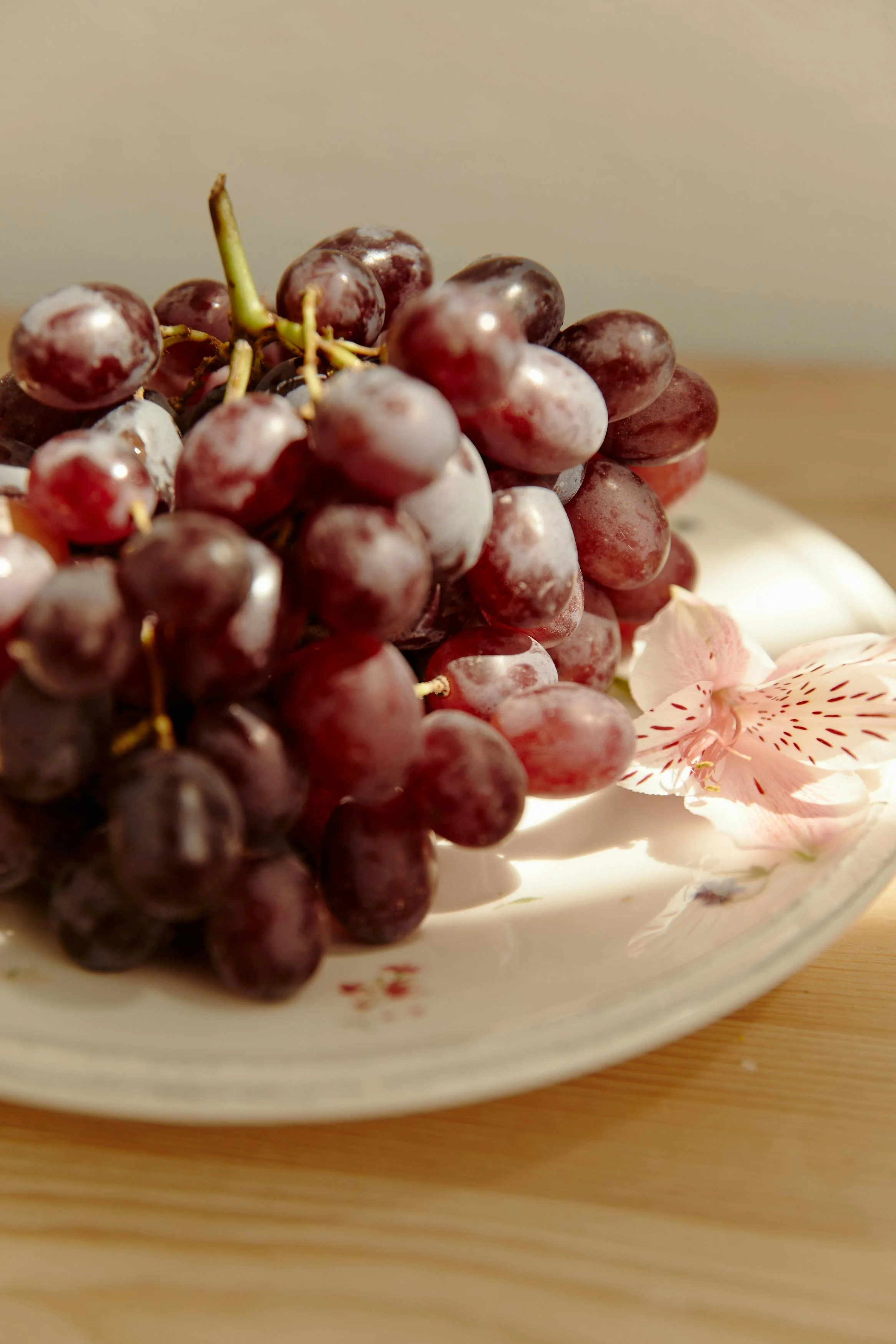
Grape juice is exactly what it sounds like. Grapes are pressed, the juice is extracted, and the result is bottled — often pasteurized, often sweetened, and always unfermented.
There is no winemaking process involved. No yeast. No fermentation. No development of complexity, structure, or depth. The flavor is fruity and one-dimensional, and while it has its place, it bears almost no resemblance to wine — sparkling or otherwise.
Serving grape juice as an alternative to wine at a celebration is a bit like serving apple juice as an alternative to whisky. It fills the glass, but it doesn't fill the role.
Mocktails
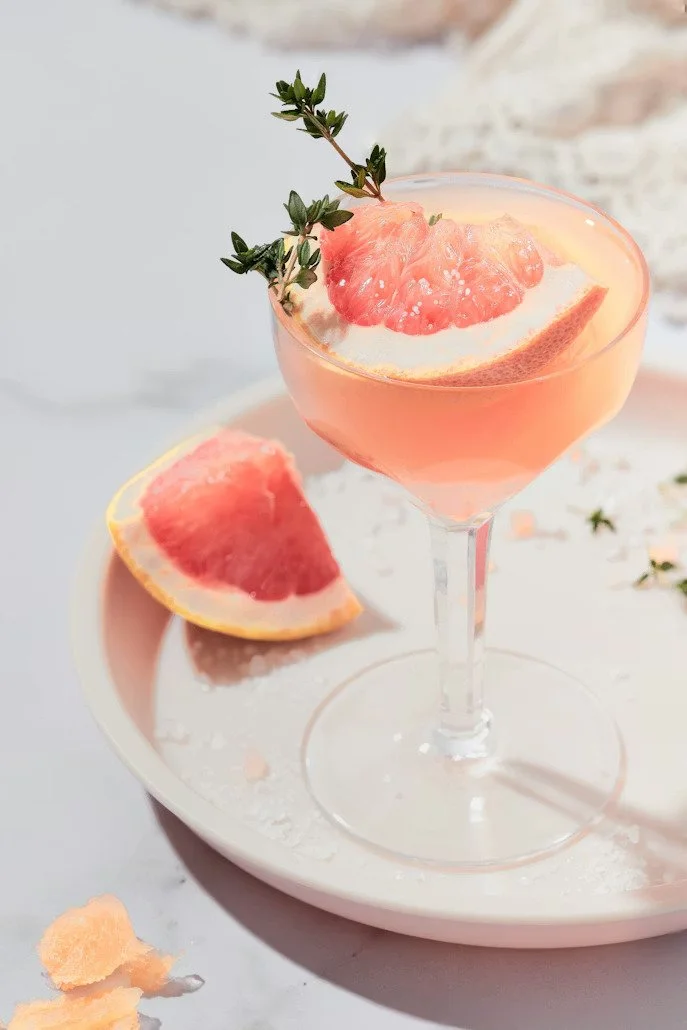
Mocktails are mixed drinks made without alcohol. They can be beautiful, creative, and genuinely delicious — and in the right setting, they absolutely have a place.
But they are cocktails, not wine. They're built from juices, syrups, sodas, herbs, and other mixers. The experience is fundamentally different from sitting down to a glass of sparkling wine. The ritual is different. The occasion is different. The feeling is different.
For someone who wants the experience of wine — the pour, the stem, the bubbles, the quiet elegance of a glass that belongs at a dinner table or a celebration — a mocktail is a creative detour, not a direct alternative.
Dealcoholized Wine
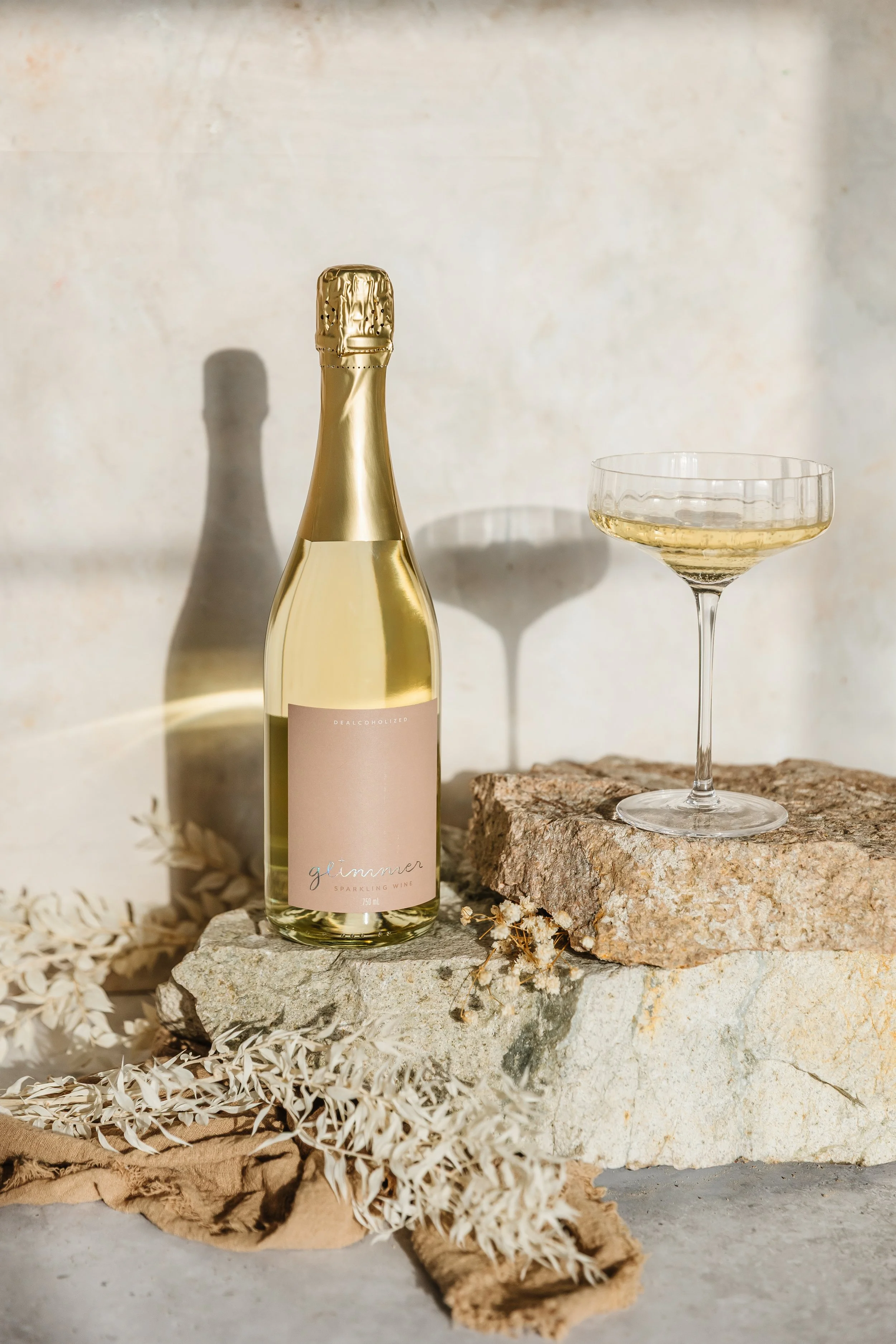
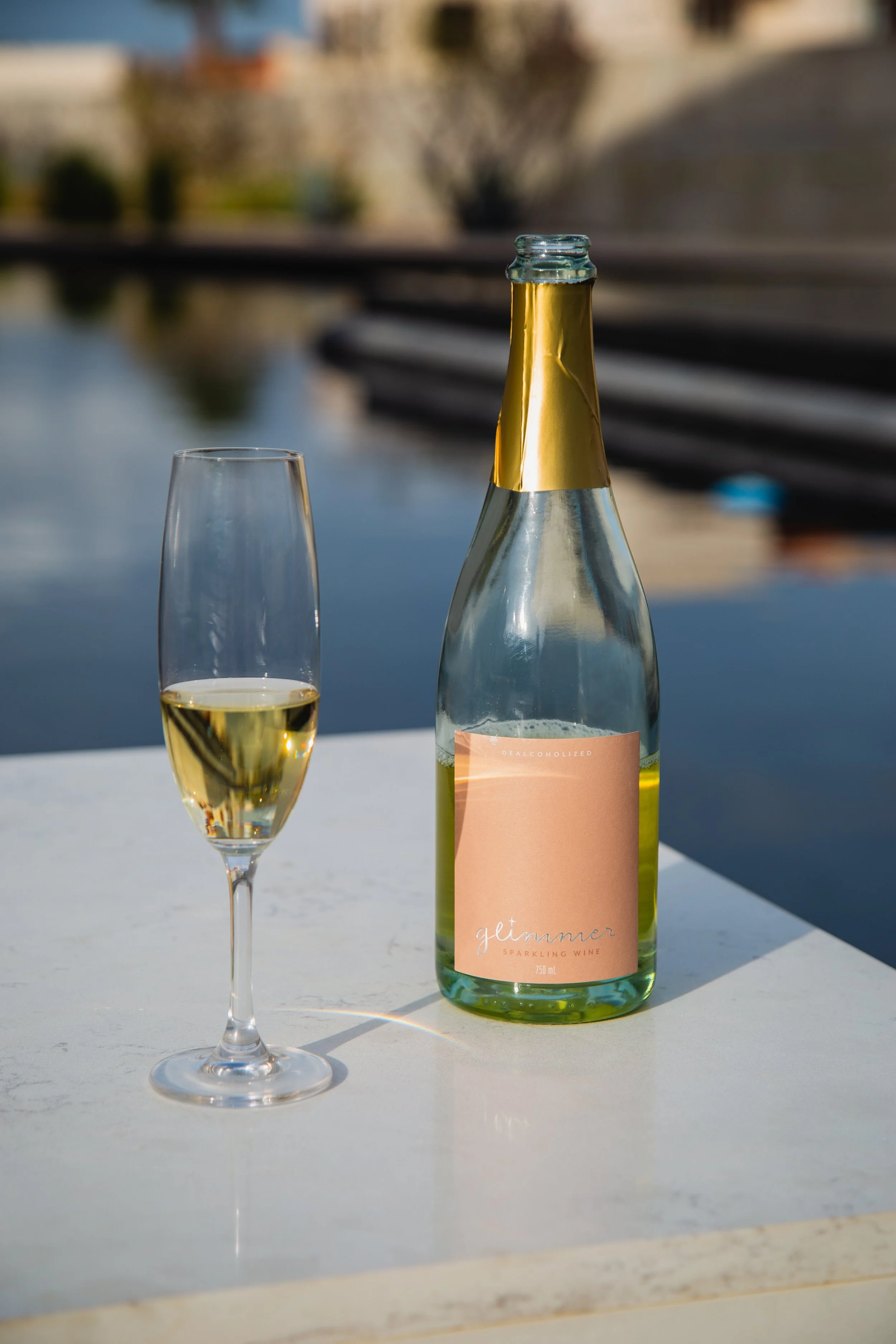
This is where Glimmer lives — and it's worth understanding why this category is different.
Dealcoholized wine begins as real wine. Grapes are harvested. Fermentation takes place. The wine develops its structure, its aromatics, its character. Everything that makes wine worth drinking happens first.
Then, through a gentle low-temperature process, the alcohol is carefully removed — preserving as much of the aroma, flavor, and texture as possible.
The result is a beverage that is genuinely wine in every meaningful sense, except for the alcohol content. The fine bubbles are real. The dry finish is real. The complexity is real.
It is not a simulation. It is not a compromise. It is wine, crafted with intention, for people who want the full experience without the alcohol.
Why It Matters
The distinction matters because the experience matters.
When someone chooses not to drink alcohol — whether occasionally or always, for any reason or no reason at all — they don't stop wanting the ritual. The beautiful glass. The shared toast. The sense of occasion.
What they want is a drink that belongs in the moment. Something that feels worthy of the table, the celebration, the company.
Grape juice doesn't do that. A mocktail comes close in some settings, but it's a different thing entirely. Dealcoholized wine — made properly, from real wine, with care — is the only category that genuinely preserves what makes sparkling wine special.
That's what Glimmer is. And that's why it exists.
Glimmer is a premium dealcoholized sparkling wine made from traditionally fermented Chardonnay. Fine bubbles, a dry finish, and nothing to compromise on — before, during, or after the moment.
